Sweet or Sour Cherries? Which Is Better for Pie?

For classic cherry pie, sour cherries are usually the better choice because their bright acidity balances the sweetness of the filling and richness of the crust. Sweet cherries can also make a good pie, but they produce a milder, sweeter flavor and usually need less added sugar and more acid for balance.
Sweet vs. Sour Cherries for Pie
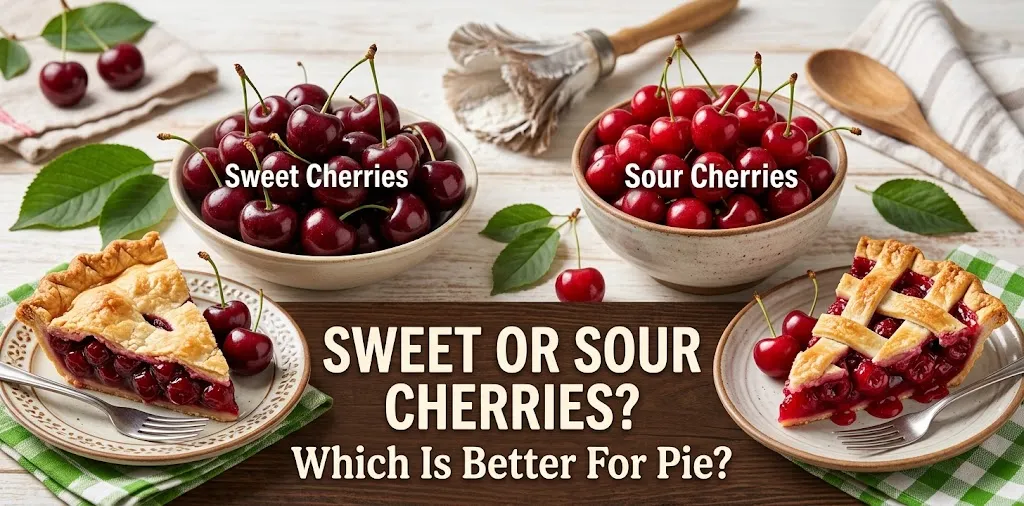
The biggest difference is flavor. Sweet cherries, such as Bing cherries, are naturally sugary with a mild, fruity taste. Sour cherries, also called tart cherries, have much more acidity and a sharper flavor.
That difference matters once the cherries are baked. A buttery pie crust and sweet filling can become heavy if the fruit does not have enough acidity. Sour cherries provide that contrast naturally, which is why they are so closely associated with traditional cherry pie.
| Factor | Sweet Cherries | Sour Cherries |
|---|---|---|
| Flavor | Sweet, mild, fruity | Tart, bright, more intense |
| Added sugar | Usually less | Usually more |
| Acidity | Lower | Higher |
| Classic cherry pie flavor | Good | Excellent |
| Availability | Usually easier to find | More seasonal |
| Fresh eating | Excellent | Usually too tart for many people |
| Pie filling | Sweet and mellow | Sweet-tart and balanced |
Why Sour Cherries Work So Well
Sour cherries bring a strong sweet-tart contrast to pie. Once sugar is added and the fruit is baked, their sharp acidity becomes more balanced without disappearing.
This gives the filling a lively flavor instead of making it taste simply sweet. King Arthur Baking’s sour cherry pie, for example, pairs the fruit with sugar and uses almond extract and optional cinnamon to complement its flavor.
Sour cherries also soften nicely during baking, making them well suited to a cooked fruit filling. Traditional recipes often use cornstarch or another thickener to control the juices and create a sliceable filling.
Why You Might Choose Sweet Cherries
Sweet cherries are a practical option when tart cherries are difficult to find. They are much more common in U.S. grocery stores, especially during the summer.
They create a pie with a softer, sweeter cherry flavor. You generally do not need as much sugar as you would with sour cherries, but adding some lemon juice can provide the acidity that sweet cherries lack. Martha Stewart’s sweet cherry pie follows this approach by using less sugar and adding lemon juice for contrast.
Which Cherry Is Better for a Classic Cherry Pie?
If your goal is a traditional, strongly flavored cherry pie, choose sour cherries.
Sour or tart cherries have the acidity needed to balance sugar and a rich pastry crust. Many classic cherry pie recipes specifically call for them, and some recipes describe tart cherries as particularly well suited to pie.
Sweet cherries are better when you want a less tangy dessert. They can produce an excellent pie, but the result will taste different from a classic sour cherry pie.
How Sugar Changes the Choice
One of the easiest mistakes is treating sweet and sour cherries as interchangeable without changing the filling.
Sour cherries need more sugar because their natural acidity is strong. Sweet cherries already contain more natural sweetness, so using the same amount of sugar can make the filling overly sweet.
The exact amount depends on the cherries, recipe, and personal taste. A useful approach is to choose a recipe designed specifically for the type of cherries you have rather than blindly substituting one for the other.
For example, one tested cherry pie recipe uses sour or sweet cherries but changes the lemon juice depending on which type is used: sour cherries get only a small amount, while sweet cherries need considerably more.
Can You Use Sweet Cherries Instead of Sour Cherries?
Yes. You can make cherry pie with sweet cherries, but you should adjust the filling rather than making a one-for-one substitution.
Sweet cherries usually need:
- Less added sugar
- More lemon juice or another acidic ingredient
- A suitable thickener for their juices
- Careful tasting before baking, when the recipe allows it
The finished pie will still be good, but it will not have exactly the same sharp, classic flavor as a sour cherry pie.
Fresh or Frozen Cherries: Which Is Better?
Fresh sour cherries are excellent for pie, but their season is short. In the United States, fresh tart cherries can be difficult to find outside their limited summer season.
Frozen sour cherries are a very useful alternative. Several established pie recipes specifically allow frozen sour cherries, making them a practical choice when fresh fruit is unavailable.
Sweet cherries are generally easier to find fresh, so they may be the more convenient choice if you are shopping at a regular supermarket.
If using frozen fruit, follow the recipe’s instructions carefully. Some recipes use frozen cherries directly, while others call for thawing and draining them.
Two Practical Pie Scenarios
Scenario 1: You want a classic holiday-style cherry pie.
Choose sour cherries. Their tart flavor gives the filling more contrast against a buttery crust and sweet topping.
Scenario 2: You have a bag of sweet Bing cherries in the refrigerator.
You do not need to skip the pie. Use a recipe designed for sweet cherries, reduce the added sugar compared with a sour-cherry recipe, and add enough lemon juice to keep the filling from tasting flat or overly sweet.
What About Bing and Rainier Cherries?
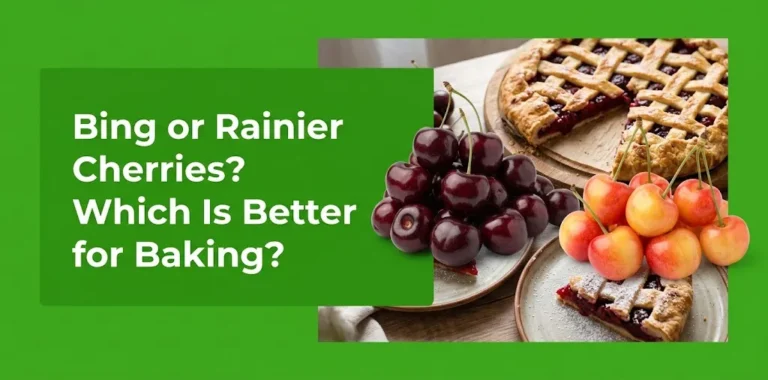
Bing cherries are dark, sweet cherries with a rich fruit flavor and are a common choice when making sweet-cherry pie.
Rainier cherries are also sweet, but their flavor and color differ from dark Bing cherries. Either can work when a recipe calls for sweet cherries, although the final flavor and appearance will vary.
For a classic tart cherry pie, however, neither replaces the distinctive flavor of sour cherries.
The Best Choice Depends on the Pie You Want
Choose sour cherries if you want:
- A classic sweet-tart cherry flavor
- Strong contrast with a buttery crust
- A more intense fruit taste
- A pie that is not dominated by sweetness
Choose sweet cherries if you want:
- A naturally sweeter filling
- A milder cherry flavor
- Easier access to fresh cherries
- A softer alternative to traditional tart cherry pie
Neither type is wrong. The better choice depends on whether you prefer bright and tangy or sweet and mellow.
Frequently Asked Questions
Are sour cherries better than sweet cherries for pie?
For a classic cherry pie, sour cherries are generally the better choice. Their natural acidity balances the sugar and buttery crust, creating the familiar sweet-tart flavor associated with traditional cherry pie.
Can I make cherry pie with Bing cherries?
Yes. Bing cherries can make a delicious sweet cherry pie. Because they are naturally sweeter than tart cherries, use a recipe that adjusts the sugar and adds some lemon juice for balance.
Are frozen sour cherries good for pie?
Yes. Frozen sour cherries are a practical choice when fresh tart cherries are unavailable. They are used successfully in several pie recipes, although you should follow the specific recipe instructions for thawing and draining.
Final Takeaway
For most people looking for the classic cherry pie experience, sour cherries are the winner. Their tartness gives the filling a deeper, more balanced flavor and keeps the sweetness from becoming overwhelming.
If sour cherries are unavailable, don’t give up on cherry pie. Sweet cherries can work very well—just choose a recipe designed for them and adjust the sugar and acidity rather than treating them exactly like tart cherries.