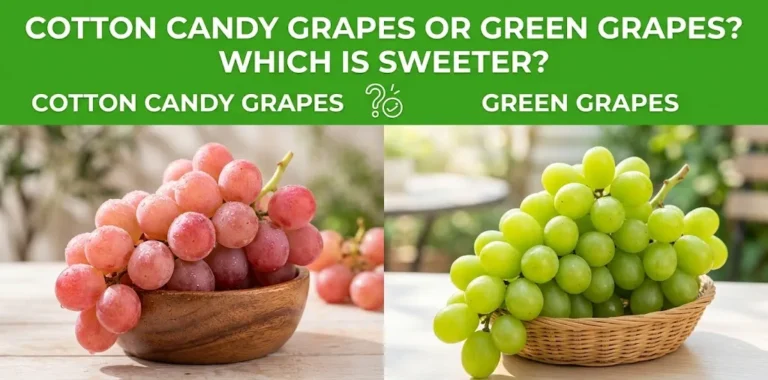
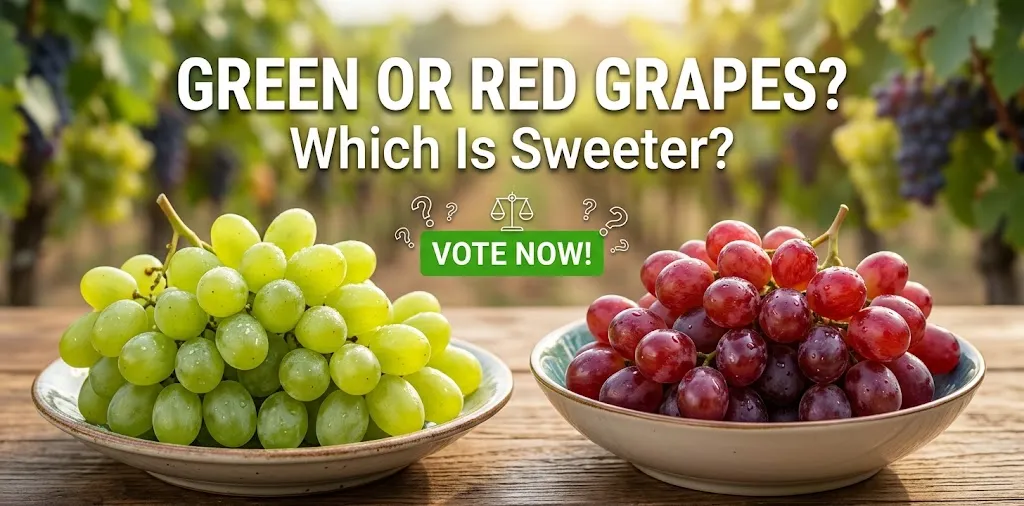
Green or Red Grapes? Which Is Sweeter?

Red grapes are often perceived as sweeter than green grapes, but grape color alone does not determine sweetness. Red varieties commonly have a sweeter, fuller flavor, while green grapes often combine sweetness with more noticeable tartness and a crisp bite. The grape variety, ripeness, and balance between sugar and acidity can make a bigger difference than color.
If you are standing in a U.S. grocery store choosing between a bunch of green and red grapes, red grapes are usually the safer pick when your main goal is a sweeter flavor. But that does not mean every red grape will be sweeter than every green grape.
Why Do Red Grapes Often Taste Sweeter?
The main reason is flavor balance. Sweetness is affected not only by the amount of natural sugar in a grape but also by its acidity. A grape with noticeable acidity can taste less sweet even when its sugar level is similar to another grape.
Green grapes are often known for a crisp, bright flavor with a tart edge. Red grapes tend to have a softer, richer flavor that many people experience as sweeter. This is why two grapes with fairly similar sugar levels can still taste different.
Variety also matters. “Red grapes” and “green grapes” are broad color groups rather than single grape varieties. Different cultivars can have very different levels of sweetness, acidity, firmness, and flavor.
Green Grapes vs. Red Grapes for Sweetness
| Feature | Green Grapes | Red Grapes |
|---|---|---|
| Typical flavor | Sweet-tart and crisp | Sweet and fuller |
| Perceived sweetness | Mild to moderately sweet | Often sweeter |
| Acidity | Usually more noticeable | Often less noticeable |
| Texture | Commonly firm and crunchy | Can be softer and juicy |
| Best for | Refreshing snacks, salads | Sweet snacking, desserts |
| Sweetness consistency | Depends heavily on variety and ripeness | Depends heavily on variety and ripeness |
These are general flavor patterns, not rules for every bunch. A ripe green grape can be very sweet, while a particular red variety can be less sweet than expected.
Does Grape Color Determine Sweetness?
No. Color is not a reliable sweetness test by itself.
A better way to think about it is that color can give you a rough clue about the typical flavor style, but variety and ripeness are more useful when you want to predict sweetness. Research comparing grape samples has also found that acidity and sugar levels can vary with grape type and ripening stage.
This matters because a shopper may assume that every red grape is sweeter than every green grape. That is not necessarily true.
Ripeness Makes a Big Difference
As grapes mature, their sugar and acid balance changes. A ripe bunch can taste noticeably sweeter and more pleasant than grapes that were harvested or sold at a less desirable stage of ripeness.
For green grapes, color can also be useful when judging maturity. Very bright green grapes may have a sharper flavor, while grapes with a more yellow-green appearance can sometimes taste sweeter and more mature.
Variety Matters More Than the Color Label
A grocery store may carry several grape varieties under the broad categories of red and green. Seedless table grapes can differ substantially in flavor even when they look similar.
Some specialty green grapes are bred for very high sweetness, while some red grapes are valued more for their flavor and texture than extreme sweetness. This is why the variety name can tell you more than simply seeing “red” or “green” on the produce display.
Which Grapes Should You Pick If You Want Maximum Sweetness?
If sweetness is your top priority, start with a ripe red seedless variety, but do not stop at color.
When shopping, look for grapes that are:
- Plump rather than shriveled
- Firm but not rock-hard
- Free from excessive bruising
- Attached reasonably well to fresh-looking stems
- Free from obvious signs of spoilage
You can also compare different varieties when the store provides the variety name. A specialty grape marketed for an especially sweet flavor may be a better choice than simply choosing based on red or green skin.
Green Grapes May Taste Sweeter Than You Expect
Green grapes are sometimes dismissed as sour, but that is too broad a description. Many modern table grapes are quite sweet while still having the crisp acidity that gives them their refreshing taste.
That combination can actually make green grapes appealing if you like sweetness without a heavy, candy-like flavor.
For example, imagine choosing grapes for a hot summer afternoon. A very sweet red grape may satisfy someone looking for a dessert-like snack, while a cold, crisp green grape may taste more refreshing because its acidity balances the sweetness.
Red Grapes Are Not Always the Sweeter Choice
It is easy to treat “red equals sweet” as a rule, but grape variety can change the result.
You might find a particularly ripe green bunch that tastes sweeter than a less-ripe red bunch. Likewise, two red grape varieties can have noticeably different flavors.
This is one reason personal taste matters. Some people prefer the straightforward sweetness of red grapes, while others enjoy the sweet-and-tart balance of green grapes. Consumer discussions show the same split, with some people consistently preferring red grapes for sweetness and others choosing green grapes for their crisp texture and tang.
Which Is Better for Snacking?
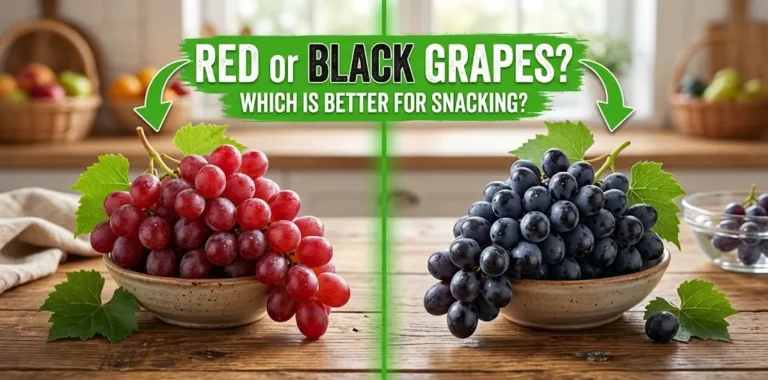
For a snack focused mainly on sweetness, red grapes are usually the better choice.
For a snack where you want a crisp, refreshing bite with some tartness, green grapes may be better.
If you are serving both, putting red and green grapes together is also a good option. The contrast in color, texture, and flavor makes a simple fruit bowl more interesting without requiring any preparation.
Which Is Better for Salads and Other Foods?
Green grapes work especially well when you want a little acidity to balance other ingredients. Their crisp texture and sweet-tart flavor can add contrast to fruit salads and savory dishes.
Red grapes are a good choice when you want the grape flavor to lean sweeter and richer. They can work well in fruit bowls, desserts, cheese boards, and simple snacks.
The choice does not have to be based only on sweetness. Texture and the rest of the dish can matter just as much.
Are Red Grapes Sweeter Than Green Grapes?
Usually, red grapes taste sweeter to many people, but there is no universal rule. Green grapes often have a sharper acidic taste, which can make their sweetness seem lower even when their sugar level is similar. Variety and ripeness can easily change the result, so a ripe green grape may taste sweeter than a particular red grape.
Which Has More Sugar, Red or Green Grapes?
There is no single sugar level for all red or green grapes. Sugar content varies by grape variety and growing and ripening conditions, so color alone cannot reliably tell you which bunch has more sugar. The way the grapes taste is also affected by acidity, not just sugar.
Are Green Grapes More Sour Than Red Grapes?
Green grapes are often more tart than red grapes, although this varies by variety and ripeness. That extra acidity can make green grapes taste less sweet even when they contain a similar amount of natural sugar.
The Bottom Line
If you want the sweeter-tasting option, choose red grapes first. They commonly have a sweeter, fuller flavor, while green grapes are usually crisper and more tart. But do not judge a bunch by color alone. For the sweetest grapes, pay attention to the variety, ripeness, freshness, and overall flavor rather than assuming every red grape will beat every green grape.
A simple tip: if you are buying grapes for snacking, try a small bunch of each color when available. You may find that your favorite is determined more by the balance of sweetness and tartness than by color.