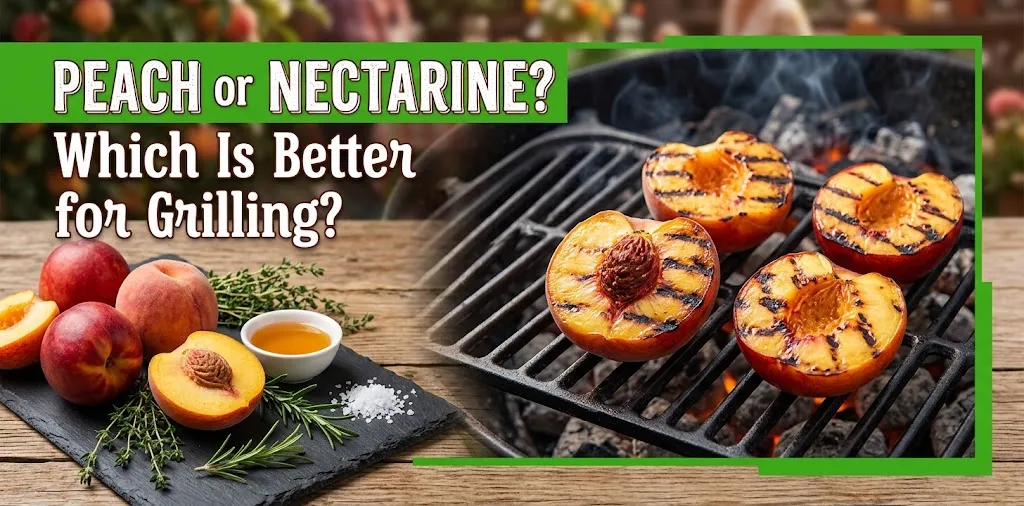
Peach or Nectarine? Which Is Better for Grilling?

Nectarines are usually the better choice for grilling because their firmer flesh holds its shape well over heat, while peaches tend to become softer and more delicate. However, a firm, just-ripe peach can also grill beautifully and may offer a softer, juicier texture. For the best results, choose either fruit slightly underripe rather than very soft.
Both peaches and nectarines are excellent summer fruits for the grill. Their natural sugars caramelize as they cook, creating browned edges, warm fruit, and a light smoky flavor. The real difference comes down to texture, handling, and the type of grilled dish you want to make.
If you want fruit that stays intact and is easy to turn with tongs, nectarines have a small advantage. If you prefer a softer, juicier result for a dessert, peaches can be the better pick.
Peach vs. Nectarine for Grilling
The biggest difference is firmness. Nectarines generally have firmer flesh, which helps them hold their shape when exposed to heat. Peaches can soften more quickly, especially when they are fully ripe.
| Feature | Peach | Nectarine |
|---|---|---|
| Flesh | Softer and very juicy | Usually firmer |
| Skin | Fuzzy | Smooth |
| Grilling stability | Good when firm | Excellent |
| Risk of falling apart | Higher when very ripe | Lower |
| Flavor | Sweet, juicy, often slightly floral | Sweet, bright, often slightly more intense |
| Best for | Soft grilled desserts | Halves, salads, and savory dishes |
| Skin on grill | Can be left on | Can be left on |
| Overall grilling choice | Very good | Slight advantage |
Nectarines are not a completely different fruit from peaches. They are closely related and are essentially smooth-skinned peaches, with the difference caused by a genetic trait affecting the skin. Both can be yellow- or white-fleshed and can work well in cooked dishes.
Why nectarines have an edge
When fruit sits directly on a hot grill, it needs enough structure to withstand heat and handling. Nectarines usually provide that structure better than very ripe peaches.
This makes nectarines especially useful when you want attractive halves with clear grill marks. They are also a good choice when the fruit will be moved from the grill to a salad, cheese plate, or savory dish.
When peaches are the better choice
Peaches can be preferable when you want a softer and juicier grilled fruit. Their texture becomes tender as they heat, which works particularly well with desserts.
The key is not to use a peach that is already very soft. Very ripe peaches can break apart or become difficult to turn on the grill. Food Network and other cooking sources recommend choosing peaches that are firm enough to withstand the heat.
Which Fruit Holds Up Better on the Grill?
Nectarines usually hold up better on the grill.
Their firmer texture makes them easier to cut, place on the grates, turn, and remove without losing their shape. This is especially helpful for beginners.
Peaches can still work very well, but ripeness matters more. A peach that feels soft when you buy it may become too delicate once heated.
For either fruit, look for fruit that is ripe enough to smell fragrant but still has some firmness. Grilling guides commonly recommend fruit that is just reaching ripeness or slightly underripe because it stays intact while its natural sugars develop over heat.
What Type of Peach Is Best for Grilling?
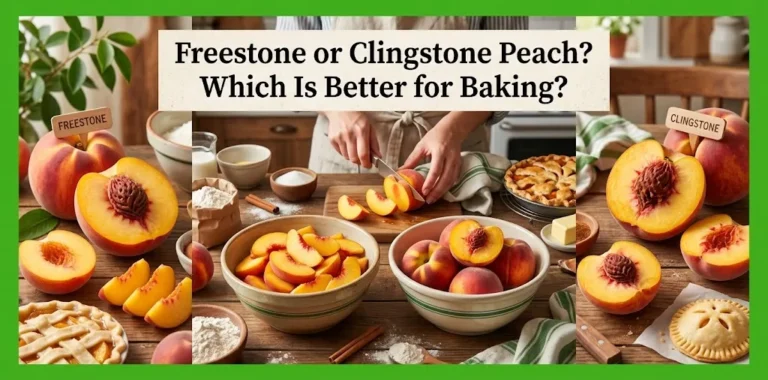
If you choose peaches, firm freestone peaches are a practical option.
Freestone peaches are easier to prepare because the pit separates more readily from the flesh. Food Network recommends yellow-fleshed freestone peaches for grilling because their slight tartness works nicely with the sweetness that develops during caramelization.
White peaches can also be grilled, but they tend to be sweeter and more delicate. If you use them, choose fruit that is firm enough to handle.
A simple rule is:
- Choose freestone when you want easier preparation.
- Choose firm fruit instead of very soft fruit.
- Choose yellow peaches when you want more tartness to balance caramelized sweetness.
- Choose white peaches when you prefer a sweeter flavor.
How to Choose Nectarines for Grilling
Choose nectarines that are firm but not rock-hard. They should have a fresh aroma and should not feel mushy when gently pressed.
Avoid fruit with large bruised areas or very soft spots. Overripe fruit is more likely to become difficult to handle as it heats.
Nectarines can be grilled with the skin on. Their smooth skin is one of their practical advantages because there is no fuzzy surface to deal with, and the skin helps the fruit remain together while grilling.
How to Grill Peaches or Nectarines
The basic method is almost the same for both fruits.
- Preheat the grill. Medium to medium-high heat works well.
- Clean the grates. A clean cooking surface helps reduce sticking.
- Cut the fruit in half. Work around the pit and separate the halves.
- Remove the pit. Freestone peaches are generally easier to pit than clingstone varieties.
- Lightly oil the cut surface. A small amount of neutral oil can help reduce sticking.
- Place the fruit cut-side down.
- Grill until browned and tender. Exact cooking time depends on fruit firmness and grill temperature.
- Turn carefully if desired.
- Remove before the fruit becomes mushy.
Whole fruit halves are easier to manage than small slices because larger pieces are less likely to fall through the grill grates as they soften. Whole Foods recommends grilling peaches and nectarines over medium heat for about five minutes on the first side, with additional cooking after flipping if desired. Other recipes use medium-high heat and shorter cooking times, so the fruit’s firmness and your grill temperature matter.
How to get better grill marks
Place the cut side directly on clean, hot grates and avoid moving the fruit around too much. Once the fruit has developed good browning, turn it carefully.
You do not need a lot of sugar to create caramelization. Peaches and nectarines already contain natural sugars that brown during grilling.
If you add honey, brown sugar, or another sweet glaze, apply it carefully because added sugar can brown quickly over high heat.
Peach or Nectarine for Grilled Desserts?
Choose peaches if you want a softer, juicier dessert. Choose nectarines if you want the fruit to keep more of its shape.
Both work with common grilled-fruit toppings such as:
- Vanilla ice cream
- Greek yogurt
- Honey
- Toasted nuts
- Cinnamon
- Fresh mint
- Maple syrup
For example, a firm grilled peach topped with vanilla ice cream creates a soft, juicy dessert. A grilled nectarine half can give you a slightly firmer bite with the same warm, caramelized character.
You can also keep the dessert simple. The fruit itself becomes sweeter and more flavorful as it heats, so you do not need to cover it with several toppings.
Peach or Nectarine for Grilled Salads?
Nectarines are often the easier choice for grilled salads.
Their firmer flesh makes them easier to cut into wedges after grilling without turning them into a soft mixture.
Try grilled nectarine or peach with ingredients such as:
- Arugula
- Mixed greens
- Goat cheese
- Feta
- Toasted almonds
- Pecans
- Balsamic dressing
- Fresh herbs
A firmer nectarine works particularly well when you want the fruit to remain visible among the other ingredients.
Peaches can still be excellent in salads. Just grill them while they are firm enough to retain their shape.
Peach or Nectarine for Savory Grilling?
For savory dishes, nectarines have a slight advantage because they tend to stay firm.
Grilled stone fruit can work alongside grilled meats, vegetables, salads, and cheese. You can season the fruit with a small amount of olive oil, salt, pepper, or herbs instead of treating it only as a dessert ingredient.
For example, grilled nectarine wedges can add sweetness and acidity to a summer salad. Grilled peach halves can also work alongside a savory meal, especially when you want a softer texture.
Food Network’s grilled stone-fruit recipe uses peaches and nectarines with olive oil, cumin, salt, pepper, lime juice, and cilantro, showing how easily these fruits can move from dessert into savory cooking.
Common Grilling Mistakes to Avoid
Using fruit that is too ripe
This is probably the biggest mistake. A peach or nectarine that is perfect for eating fresh may already be too soft for direct grilling.
Choose fruit that is firm enough to hold together.
Using very high heat
High heat can brown the outside before the inside reaches the texture you want. Medium or medium-high heat is generally easier to control.
Cutting the fruit too small
Small pieces can soften quickly and may fall through the grates. Halves or large wedges are easier to manage.
Moving the fruit too often
Let the cut surface make contact with the grill long enough to brown. Constant movement can make it harder to develop clear grill marks.
Adding too much sugar
Peaches and nectarines already have natural sugars. A heavy sugar coating can burn before the fruit is properly warmed.
Which One Should You Choose?
The best choice depends on what you want from the finished dish.
| If you want… | Better choice |
|---|---|
| Firm grilled fruit | Nectarine |
| Easy handling | Nectarine |
| Fruit that keeps its shape | Nectarine |
| Soft and juicy texture | Peach |
| A classic grilled-fruit dessert | Peach |
| Grilled salad | Nectarine |
| Savory grilled fruit | Nectarine |
| Maximum sweetness | Either, depending on variety and ripeness |
| Easier pit removal | Freestone peach |
The difference is not large enough to make peaches a poor grilling fruit. In fact, both are regularly recommended for grilling. The condition of the fruit matters at least as much as whether you choose a peach or nectarine.
Frequently Asked Questions
Are nectarines easier to grill than peaches?
Yes. Nectarines are generally firmer, so they tend to hold their shape better when heated. Peaches can grill successfully too, but very ripe peaches become soft more quickly.
Should peaches and nectarines be ripe before grilling?
They should be ripe enough to have good flavor but still firm. Very soft fruit can break apart on the grill, while fruit that is slightly underripe can soften and become sweeter during cooking.
Can you grill peaches and nectarines with the skin on?
Yes. Both can be grilled with their skins on. Leaving the skin attached also helps the fruit maintain its shape while it cooks, and nectarines have the added benefit of smooth, edible skin.
Final Verdict
If you are buying fruit specifically for grilling, nectarines get the slight edge. Their firm flesh makes them easier to grill, turn, and serve without falling apart. They are especially useful for salads and savory dishes where you want recognizable pieces of fruit.
But do not skip good peaches. A firm, just-ripe peach can develop excellent caramelized edges and a softer, juicier center. For dessert, that texture may actually be what you want.
The practical tip is simple: choose the firmer fruit, cut it into large pieces, and grill it over moderate heat. If both peaches and nectarines look good at the store, choose based on the texture and flavor you want rather than worrying about making the wrong choice.